IC Tags & Cards 13.56 MHz
Ultra-Thin CUID / UID Magic Card Sticker (13.56MHz IC Wet Inlay) - Writable RFID Tag for Condo & Elevator Key Fob Duplication
From ฿50
Type
฿50
In stock (999 available)
Product Overview
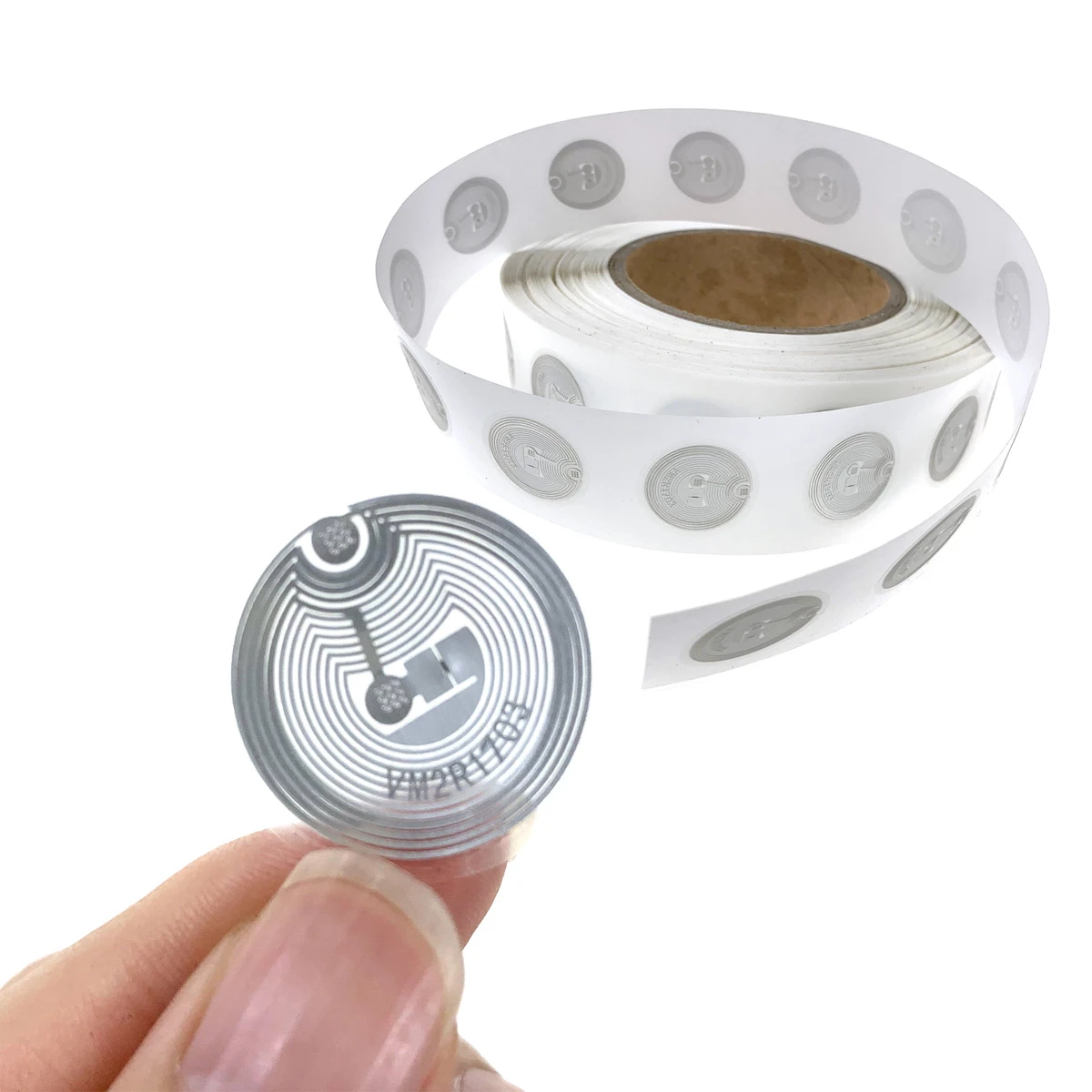
The RFID IC Rewritable Sticker is a passive 13.56MHz high-frequency RFID tag designed for access control, elevator management, logistics tracking, and various multi-system identification applications. Manufactured with flexible wet inlay adhesive technology, the tag features a PET substrate combined with an etched aluminum antenna (AL10um) and is available in both CUID and UID chip versions. As a blank rewritable RFID sticker, all 16 sectors are fully accessible, supporting Sector 0 modification and complete data block rewriting. It is an ideal solution for replacing lost access cards, creating backup cards, and duplicating existing RFID credentials. Data programming requires a professional RFID reader/writer or Android NFC applications such as MCT (Mifare Classic Tool).
Key Features
Integrated Chips: CUID (Gen2) or UID optional
Chip Type: Rewritable IC clone chip with support for unlimited rewriting
Memory Capacity: 1K bit memory
Memory Structure: 16 sectors, 4 data blocks per sector, 64 blocks total, 16 bytes per block
Operating Frequency: 13.56MHz
Protocol Standard: ISO/IEC 14443-A
Sector Access: All sectors fully unlocked and writable
Sector 0 Support: Supports Sector 0 and UID modification
Read/Write Endurance: More than 100,000 rewrite cycles
Data Retention: More than 10 years
ESD Protection: 2000V anti-static protection
Material: PET substrate with etched aluminum antenna (AL10um)
Label Size: 25mm round white flexible adhesive sticker
Adhesive Type: Composite adhesive backing for secure attachment
Installation Surface: Suitable for plastic, glass, paper, phone cases, keychains, card holders, notebooks, and other non-metal surfaces
CUID Advantage: Supports firewall-bypass functionality for access control systems that detect and block ordinary UID clone cards
Compatibility: Works with professional RFID readers/writers and Android NFC devices supporting Mifare Classic operations
How to Use
Step 1: Prepare a professional RFID reader/writer or an Android smartphone with NFC capability and install MCT (Mifare Classic Tool) or compatible software.
Step 2: Read and back up the complete data from the original authorized RFID card.
Step 3: Write the copied data to the blank UID or CUID RFID sticker.
Step 4: For CUID chips, perform a formatting operation before each rewriting process to ensure successful data writing.
Step 5: Attach the programmed sticker to a clean, dry, non-metal surface such as a phone case, keychain, plastic card holder, notebook cover, or glass surface.
Important Note: This product is supplied as a blank clone tag. It cannot be directly authorized by property management or access control systems. An existing authorized RFID card is required for data duplication.
Applications
Access Control Systems: Replacement of lost or damaged office, residential, industrial park, and facility access cards
Elevator Management: Floor access control and elevator authorization systems
Library Management: Book circulation, inventory management, and document tracking
Document Management: File classification, checkout registration, and archive tracking
Retail Stores: Inventory management, anti-theft systems, and fast checkout operations
Warehouse Management: Asset tracking, pallet identification, and inventory control
Jewelry and Fashion Industry: Product authentication, anti-counterfeiting, and traceability
Logistics and Supply Chain: Cargo tracking, asset monitoring, and multi-system identification applications
Smart Identification Systems: General-purpose RFID identification and authentication solutions
FAQ
Q: What is the difference between UID and CUID chips?
A: UID is a standard rewritable IC clone chip that supports unlimited rewriting and duplication. CUID offers the same functionality while additionally supporting firewall-bypass capability for access control systems that detect and block ordinary clone cards.
Q: Can the sticker be used immediately after purchase?
A: No. The product is supplied as a blank RFID sticker. It must be programmed using data copied from an existing authorized RFID card before use.
Q: How do I rewrite a CUID sticker?
A: Before each rewriting process, the CUID chip must be formatted. After formatting, new data can be written successfully.
Q: What surfaces are suitable for installation?
A: The sticker can be applied to plastic, glass, phone cases, keychains, card holders, notebooks, and other non-metal surfaces. Metal surfaces may interfere with RFID performance.
Q: What is the reading distance?
A: Reading distance depends on the reader's power output and environmental conditions. As a near-field RFID tag, the typical reading range is usually within several centimeters.
Q: How many times can the sticker be rewritten?
A: The chip supports more than 100,000 read/write cycles.
Q: How long can data be retained?
A: Stored data can be retained for more than 10 years under normal operating conditions.
Q: Why does a copied UID card stop working after several uses?
A: Some access control systems include anti-cloning firewall mechanisms that detect and block standard clone cards. In such cases, a CUID chip should be used instead.
Q: Can this sticker be directly enrolled into a property management system?
A: No. This is a clone-type RFID sticker, not an authorization master card. It requires an existing authorized card for data duplication and cannot be directly registered as a new credential.
Product Description
The RFID IC Rewritable Sticker is a professional-grade 13.56MHz passive RFID identification tag designed for access control, asset tracking, and multi-system integration applications. Available with either CUID Gen2 or UID chip configurations, the sticker complies with the ISO/IEC 14443-A standard and provides reliable, high-performance contactless identification.
Constructed with a flexible PET substrate and an etched aluminum antenna (AL10um), the tag features a compact 25mm round adhesive design suitable for installation on a wide variety of non-metal surfaces. The chip offers 1K bit memory organized into 16 sectors with 4 data blocks per sector, providing a total of 64 data blocks. All sectors are fully accessible and support complete rewriting, including Sector 0 and UID modification.
The CUID Gen2 version is specifically engineered for access control systems equipped with anti-cloning firewall mechanisms. When ordinary UID clone cards are detected and blocked after repeated use, the CUID chip can bypass these restrictions and maintain stable operation. Both UID and CUID versions support more than 100,000 rewrite cycles, over 10 years of data retention, and 2000V ESD protection for enhanced durability and reliability.
The sticker is supplied as a blank rewritable RFID tag and requires programming through a professional RFID reader/writer or Android NFC applications such as MCT (Mifare Classic Tool). It cannot be used directly without copying data from an existing authorized RFID credential. The flexible adhesive backing enables quick and secure installation on phone cases, keychains, plastic cards, glass surfaces, notebooks, document folders, and other suitable non-metal objects.
Widely used in access control systems, elevator management, library automation, document tracking, retail inventory management, warehouse operations, jewelry authentication, and logistics monitoring, the RFID IC Rewritable Sticker provides a convenient and cost-effective solution for credential replacement, backup card creation, and RFID data duplication applications. Proper installation on clean, dry, non-metal surfaces ensures optimal performance and reliable RFID communication.